
Vergelijk en Vind Goedkope Binnenlandse en Internationale Vluchten

Top Bestemmingen om te Bezoeken in 2026
Boek moeiteloos jouw droomreis met onze toonaangevende vluchtvergelijker




















Welkom bij TICKETS!
Ontdek het gemak van een slimme reisvergelijker bij TICKETS. Vergelijk eenvoudig vluchtprijzen, voorwaarden en aanbieders op één plek voor jouw perfecte reis.
Over TICKETSGoedkope Vluchten vanaf Jouw Locatie
De goedkoopste vluchten worden automatisch voor je geselecteerd op basis van populaire landen

Amsterdam Schiphol
nov 2026
1+ tussenstops
Enkele Reis
Orlando Internationaal
nov 2026
Vanaf
€304Amsterdam Schiphol
nov 2026
1+ tussenstops
Enkele Reis
New York John F Kennedy
nov 2026
Vanaf
€319
Amsterdam Schiphol
nov 2026
1+ tussenstops
Enkele Reis
Houston George Bush Intercntl.
nov 2026
Vanaf
€356
Amsterdam Schiphol
nov 2026
1+ tussenstops
Enkele Reis
Los Angeles Internationaal
nov 2026
Vanaf
€361Amsterdam Schiphol
nov 2026
1+ tussenstops
Enkele Reis
Atlanta Hartsfield-Jackson
nov 2026
Vanaf
€365Amsterdam Schiphol
nov 2026
1+ tussenstops
Enkele Reis
Raleigh / Durham
nov 2026
Vanaf
€372Amsterdam Schiphol
nov 2026
1+ tussenstops
Enkele Reis
Baltimore Balt / Wash
nov 2026
Vanaf
€373Amsterdam Schiphol
nov 2026
1+ tussenstops
Enkele Reis
Philadelphia Internationaal
nov 2026
Vanaf
€376Amsterdam Schiphol
nov 2026
1+ tussenstops
Enkele Reis
Chicago O'Hare Internationaal
nov 2026
Vanaf
€382Amsterdam Schiphol
nov 2026
1+ tussenstops
Enkele Reis
Richmond
nov 2026
Vanaf
€389Ontdek Populaire Bestemmingen: Beste Vluchten per Continent
Reisinformatie en vluchtaanbiedingen per continent met de laagste prijzen






Goedkope Vluchten naar Steden die We Liefhebben
Met onze scherpe deals wordt jouw droomvakantie betaalbaarder dan ooit


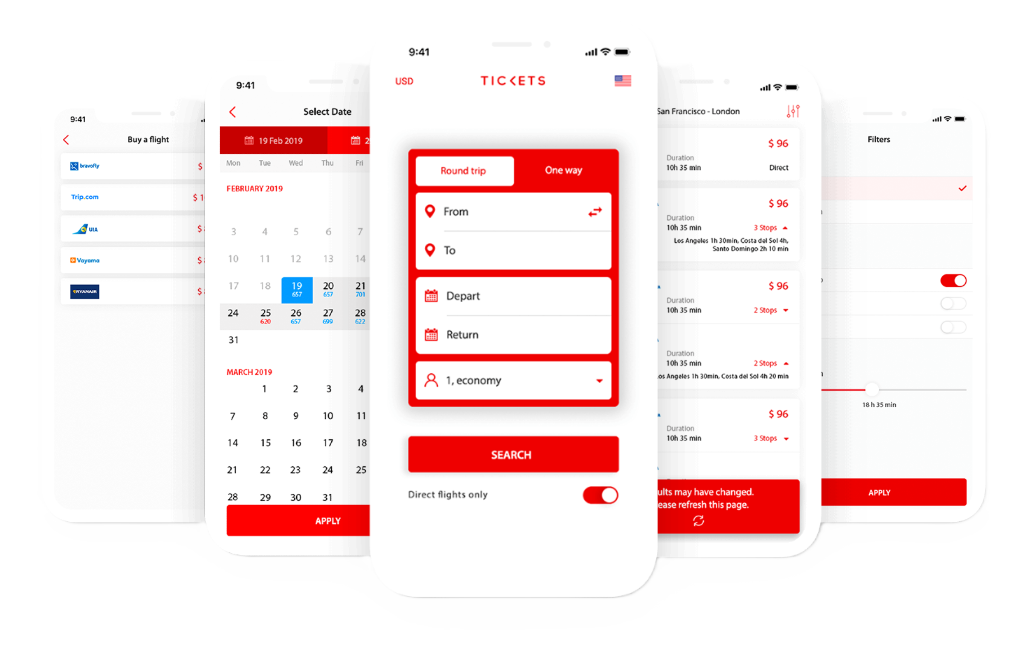
Met de TICKETS iOS-app vergelijk je in één klik duizenden vliegtickets van topmaatschappijen en reisaanbieders. Ontdek de voordeligste deals wereldwijd – altijd binnen handbereik.
Wanneer kun je het best goedkope vliegtickets boeken? Een heldere gids over timing, routes en wat je echt bespaart
Hoe ver van tevoren boek ik vliegtickets voor de laagste prijs?
Voor goedkope vliegtickets op korte en middellange routes vanuit Amsterdam zit je vaak goed met ongeveer een tot twee maanden vooruit boeken, met het beste moment rond zes weken. Veel eerder boeken kost op nabije bestemmingen zoals Barcelona, Londen of Rome meestal juist meer, dus het idee 'altijd zo vroeg mogelijk vastleggen' klopt hier niet. Voor intercontinentale vluchten naar bestemmingen als New York, Bangkok of Curaçao heb je een langere aanloop van enkele maanden nodig, en op drukke routes in piekperiodes nog meer. Een vliegticketprijs verandert tientallen keren voor vertrek, dus jagen op die ene perfecte dag is verloren moeite. Stel liever een prijsmelding in en laat de TICKETS-app je een melding pushen zodra de prijs beweegt. De regel die altijd werkt: wacht niet tot de laatste twee weken voor vertrek, want dan stijgen de tarieven het snelst.
Wanneer is het echt het goedkoopst om vliegtickets te boeken?
Vliegtickets boek je het goedkoopst rond zes weken voor vertrek, en juist niet op de dag dat de stoelen vrijkomen, want dat is een van de duurste momenten. Tarieven liggen hoog in dat hele vroege venster, zakken naar een dieptepunt rond zes weken voor vertrek en lopen daarna weer op naarmate het toestel volraakt. Beide uitersten, extreem vroeg én last minute, kosten je geld, en de winst zit in het midden. De uitzondering is de lange afstand en het hoogseizoen: dan raken stoelen echt uitverkocht, dus enkele maanden vooruit boeken beschermt zowel je prijs als je beschikbaarheid. Voor korte tripjes binnen Europa buiten het seizoen hoef je je niet te haasten; voor lange of drukke reizen leg je het eerder vast. In plaats van te gokken waar jouw route valt, laat je de koop-nu-of-wacht-functie van TICKETS.NU zo'n twaalf maanden prijsgeschiedenis wegen en zeggen of je nu moet kopen of nog even wachten.
Welke dag van de week is echt het goedkoopst om te vliegen, en loont dat?
Voor de goedkoopste vliegtickets vertrek je doordeweeks en sla je zondag over. Dinsdag en woensdag zitten meestal het laagst, terwijl zondag vaak de duurste vertrekdag is. De beste weekdag verschuift per route en seizoen, dus behandel 'doordeweeks vliegen, niet op zondag' als de regel in plaats van te jagen op één magische dag. Op goedkope korte vluchten binnen Europa is de besparing klein; op de lange afstand loont het meer, waar wegblijven van het weekend echt iets per persoon kan schelen. Eén onderscheid is belangrijk: dit gaat over de dag waarop je vliegt, niet over de dag waarop je vliegtickets koopt. De oude tip 'koop op dinsdag' is achterhaald, omdat tarieven nu doorlopend bijwerken in plaats van wekelijks. Voor de voordeligere stukken op de kalender wijst de maandprijsweergave je de goedkope maanden; de doordeweekse regel regelt de dag.
Waarom is een gesplitste retour soms goedkoper dan het tarief van één luchtvaartmaatschappij?
Een gesplitste retour is soms goedkoper omdat twee enkele reizen bij verschillende maatschappijen samen onder het gepubliceerde retourtarief van één partij kunnen duiken. Bij elke retourzoekopdracht prijst TICKETS.NU ook de heen- en terugreis los, en koppelt dan het goedkoopste heentraject aan het goedkoopste terugtraject tot één 'mash-up'-resultaat. Die combinatie van twee maatschappijen verschijnt alleen als hij de beste gewone retour echt verslaat, met de besparing erbij; wint een standaardretour of is het gelijk, dan zie je dat. De keerzijde is dat zo'n mash-up bestaat uit twee aparte tickets en twee bevestigingen, dus je moet beide boekingspagina's openen voordat je iets betaalt. We markeren de combinatie zodat je weet wat je boekt, en de rekensom klopt alleen als het verschil echt is.
Kan ik beter twee enkele reizen boeken in plaats van een retour?
Twee enkele vliegtickets boeken loont soms, en je hoeft er niet handmatig naar te zoeken, want elke retourzoekopdracht op TICKETS.NU test dit al. Wanneer de goedkoopste heen- en terugvlucht bij verschillende maatschappijen zitten, kunnen twee enkele reizen samen minder kosten dan welk los retourtarief dan ook. Wij koppelen ze tot één mash-up-resultaat, maar tonen dat alleen als het de beste standaardretour verslaat, met de besparing erbij. De afweging is praktisch: zo'n mash-up zijn twee aparte tickets bij twee maatschappijen. Je bevestigt elk traject los en je checkt je bagage opnieuw in bij de overstap in plaats van door te checken. Voor een simpele heen-en-terug met handbagage is dat meestal geen punt; met krappe overstappen of ruimbagage weeg je de besparing af tegen het gedoe.
Als mijn data kunnen schuiven, hoeveel is die flexibiliteit dan echt waard?
Flexibele reisdata zijn meer waard dan welke andere losse zet ook bij het zoeken naar goedkope vliegtickets, want flexibiliteit laat je besparingen stapelen in plaats van te leunen op één trucje. Verschuif naar doordeweeks in plaats van een weekend, en schuif daarna naar een goedkopere maand buiten het seizoen, en die twee samen leveren een echte korting op een duur weekendtarief. Het tussenseizoen is op zichzelf al de zwaarste hefboom: de rustigere periodes tussen de drukke pieken liggen meestal flink onder de zomertop of de drukte rond de feestdagen. Welke maanden het goedkoopst zijn verschuift per route, regio en halfrond, maar 'mijd de overduidelijke pieken' geldt zo goed als overal. De perfecte weekdag kiezen levert daarentegen weinig op bij een goedkope route. Daarom verslaat een hele-maandweergave het nakijken van één datum tegelijk: bij TICKETS.NU toont de datumkiezer een indicatief goedkoopste tarief per maand over meerdere maanden, zodat de voordelige maanden in één oogopslag opvallen.
Loont het om vanaf een andere luchthaven te vertrekken om geld te besparen?
Vertrekken vanaf een andere luchthaven loont in sommige markten, maar in Nederland minder dan elders, want vrijwel al het lange-afstandsverkeer loopt via Amsterdam Schiphol (AMS) als enige grote poort. Regionale luchthavens als Eindhoven (EIN) en Rotterdam The Hague (RTM) bedienen vooral korte Europese vluchten, dus voor veel routes is uitwijken simpelweg geen optie. Waar het wél kan, tellen de totale deur-tot-deurkosten: een goedkoper vliegticket vanaf een verder gelegen luchthaven wint pas als je parkeren, vervoer en extra reistijd erbij optelt. TICKETS.NU detecteert de luchthaven die het dichtst bij je ligt, en je kunt je thuisbasis ook handmatig instellen. Er is geen automatische straalzoekfunctie die nabije luchthavens in één zoekopdracht bundelt, dus om een alternatief te testen stel je het in als vertrekpunt en vergelijk je. De bestemmingskaart is de snelste manier om prijzen vanuit jouw omgeving over meerdere bestemmingen te scannen. De kern: vergelijk de totale reiskosten, niet alleen het opvallende tarief.
Is een goedkopere zelf-overstapvlucht het risico op een gemiste aansluiting waard?
Behandel een zelf-overstap (virtual interlining) als een goedkoper vliegticket dat je zelf verzekert: het rijgt twee aparte tickets aaneen, vaak bij maatschappijen zonder onderling verband, tot één reis, en die maatschappijen hebben geen afspraak om de aansluiting te beschermen. Het echte risico is de overstap zelf. Loopt je eerste traject uit en mis je het tweede, dan ben jij een no-show en is die maatschappij je niets verschuldigd; mogelijk koop je een nieuw ticket. Je haalt en checkt je bagage ook zelf opnieuw in tussen de trajecten, en compensatie wordt per ticket beoordeeld. Reken dus met het slechtste scenario, niet met het lokkende tarief: plan een ruime overstap, een paar uur met handbagage en langer met ruimbagage of een luchthavenwissel, en overweeg een verzekering voor gemiste aansluitingen. TICKETS.NU toont deze zelf-overstapopties mét de waarschuwing, en de routekaart markeert elke luchthavenwissel zodat je met open ogen kiest.
Zijn prijsmeldingen voor vliegtickets de moeite waard, of louter ruis?
Prijsmeldingen voor vliegtickets zijn de moeite waard, maar als reactiemiddel en niet als glazen bol. Een tarief beweegt vele keren voor vertrek, dus een prijsmelding via de TICKETS-app houdt een route in de gaten en pusht je een melding op het moment dat hij echt daalt, waardoor timing een regel wordt in plaats van een gokspel. Stel hem in en koop dan in het goedkope venster of bij een echte dip. Zulke meldingen lonen het meest als je data flexibel zijn, je ruim vooruit boekt, of je lange-afstandsroutes volgt die het hardst schommelen. De blinde vlek: een flits-tarief kan verdwijnen voordat een melding afgaat. Wil je de trend in plaats van één seintje, dan scoort de koop-nu-of-wacht-functie ongeveer een jaar prijsgeschiedenis als kopen, wachten of neutraal. Prijsmeldingen zijn gratis in de TICKETS-app.
Gaat dit vliegticket nog in prijs dalen, of kan ik beter nu boeken?
Of een vliegticket nog daalt, zie je door het tarief van vandaag te vergelijken met de eigen twaalfmaands-geschiedenis van de route voordat je je vastlegt, en dat is precies wat de koop-nu-of-wacht-functie op TICKETS.NU beantwoordt. Voer een route in en je krijgt een van drie uitkomsten terug, kopen, wachten of neutraal, elk met een betrouwbaarheidsscore, de goedkoopste en duurste maanden, en of de trend stijgt, daalt of stabiel is. De regel die de data volgt: zit je in het goedkope venster (ruwweg zes weken vooruit voor korte routes, enkele maanden voor de lange afstand) en op of onder het gebruikelijke niveau van de route, dan boek je. Vroeg in de cyclus, met prijzen hoog voor het seizoen, kan wachten lonen. Het sterkste signaal is het eenvoudigste: laat het niet tot de laatste twee weken komen, want dan stijgen de tarieven het snelst. Nog twijfel? Stel een prijsmelding in en laat de prijsbewegingen beslissen.
Als zoeken gratis is, hoe verdient deze site dan geld?
TICKETS.NU verdient aan een verwijzingscommissie van de luchtvaartmaatschappij of het boekingsplatform wanneer je doorklikt en boekt, en niet aan een opslag op jouw vliegticket. Zoeken naar goedkope vliegtickets vanuit Nederland is en blijft gratis, want je betaalt precies het tarief dat de aanbieder zelf laat zien; wij plakken er geen servicekosten of marge bovenop. De boeking zelf rond je af bij de maatschappij of het platform, niet bij ons, dus zij int je betaling en regelt je ticket, bagage en wijzigingen. Dat model is belangrijk voor het vertrouwen in wat je hier ziet: omdat onze inkomsten niet afhangen van een hoger tarief, hebben we geen reden om je naar een duurdere optie te duwen. De resultaten staan op de echte prijs, inclusief de gesplitste mash-up alleen wanneer die de gewone retour daadwerkelijk verslaat. De kern: jij betaalt hetzelfde als wanneer je rechtstreeks zou boeken, en de commissie komt van de aanbieder.
Wat is de goedkoopste tijd van het jaar om vliegtickets te boeken?
De goedkoopste tijd van het jaar om vliegtickets te boeken zijn de rustige tussenseizoenen tussen de drukke pieken in; die ene keuze verslaat elk weekdagtrucje. Vanuit Nederland landen de dieptepunten vaak in januari en februari (na de kerstvakantie) en opnieuw in september en oktober (zodra de zomerdrukte is weggetrokken). De dure vensters zijn de zomerpiek (ruwweg juni tot en met augustus, met de schoolvakanties) en de feestdagen rond eind december. Het kantelt per route, regio en halfrond, een zomer op het zuidelijk halfrond of een lokaal festival kan het omdraaien, maar 'mijd de overduidelijke feestdag- en zomerpieken' geldt zo goed als overal. Op TICKETS.NU bekijk je prijsinzichten voor bestemmingen die de goedkoopste en duurste maanden over een periode van twaalf maanden tonen, zodat de voordeligere stukken makkelijk te herkennen zijn; daarna zoek je vluchten op de resultatenpagina om de actueel beschikbare tarieven te zien.